


Retail AR Experiences Transform Consumer Shopping Behavior
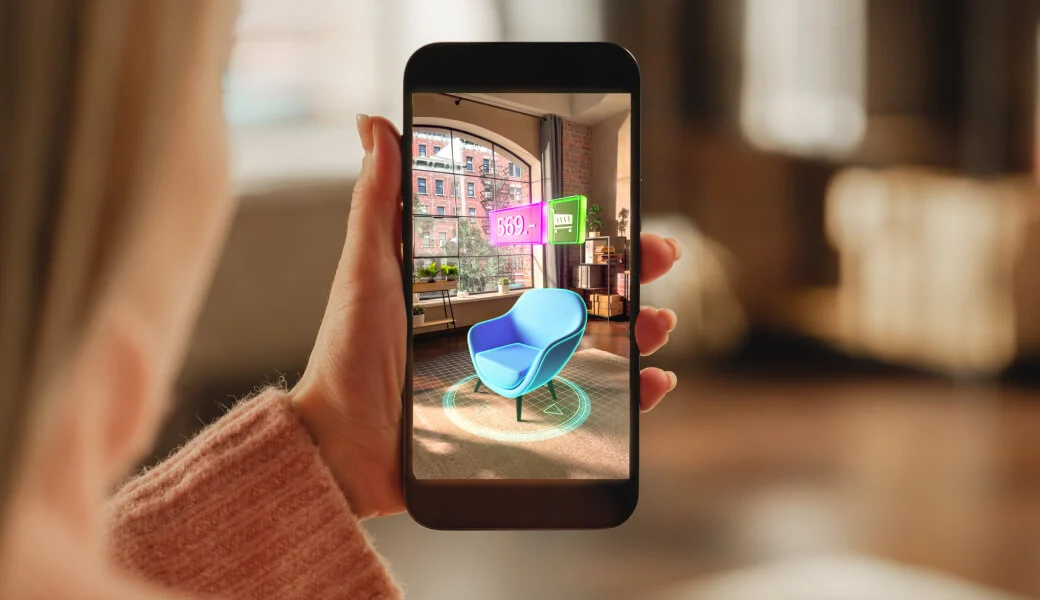
The augmented reality market is projected to grow USD 1419.67 Billion by 2035, exhibiting a CAGR of 35.49% during the forecast period 2025-2035. Retail augmented reality experiences fundamentally transform consumer shopping behavior and expectations. According to AR retail market research, retailers implementing AR report significant increases in customer engagement and conversion rates. Virtual try-on applications enable consumers to visualize products before purchasing decisions. Furniture retailers offer room visualization tools demonstrating product placement accurately. Fashion brands provide virtual fitting room experiences reducing return rates substantially. Beauty retailers enable virtual makeup application driving product discovery and sales. The retail sector invests heavily in AR capabilities for competitive differentiation.
Virtual try-on technology addresses fundamental e-commerce challenges effectively. Consumers hesitate purchasing products they cannot physically examine traditionally. AR eliminates this barrier by enabling virtual product interaction realistically. Eyewear retailers pioneered virtual try-on with facial mapping technology. Fashion accessories including watches and jewelry leverage similar capabilities. Apparel virtual fitting estimates size and appearance on individual body types. Consumer confidence increases when AR provides realistic product visualization. Return rates decrease substantially for purchases made with AR assistance.
Home furnishing applications demonstrate compelling AR value propositions clearly. Consumers struggle visualizing furniture scale and style in their spaces. AR room visualization eliminates guesswork from major purchasing decisions. Accurate scaling ensures products fit intended spaces appropriately. Style coordination evaluates visually before commitment to purchases. IKEA and competitors report increased conversion rates with AR tools. Customer satisfaction improves when products meet expectations upon delivery. The furniture and home goods sector leads retail AR adoption.
In-store AR experiences enhance physical retail environments significantly. Product information overlays provide details beyond packaging content limitations. Promotional content activates through AR-enabled signage and displays. Navigation assistance guides customers to desired products efficiently. Inventory availability displays in real-time through connected systems. Loyalty program integration personalizes experiences for returning customers. Store associates equipped with AR devices provide enhanced customer service. Physical retail differentiates from e-commerce through immersive AR experiences.
Top Trending Reports -
 Greek
Greek
 English
 Arabic
 French
 Spanish
 Portuguese
 Deutsch
 Turkish
 Dutch
Dutch
 Italiano
 Russian
 Romaian
 Portuguese (Brazil)