

The Backbone of the Digital Age: An Introduction to Fiber Optic Cable
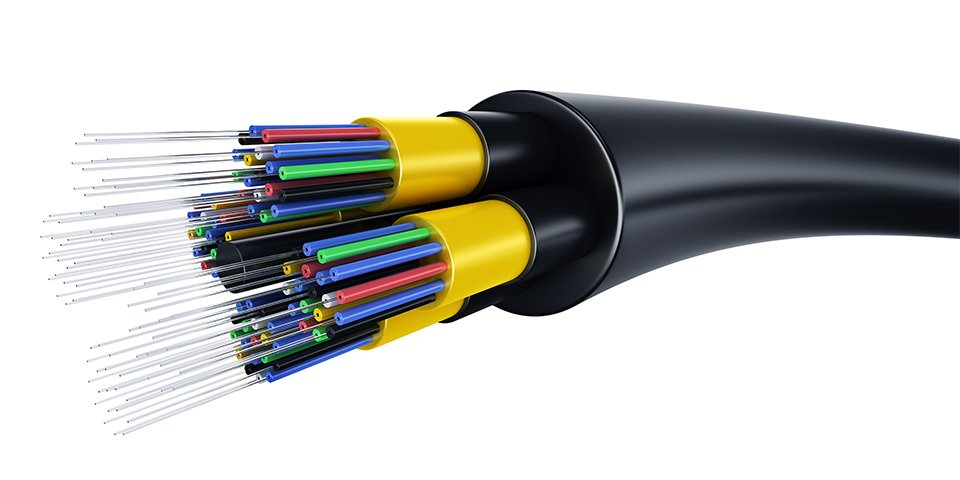
In the modern world, where the seamless flow of data is the lifeblood of our economy and society, one technology serves as the primary and indispensable circulatory system: the Fiber Optic Cable. Unlike traditional copper wires that transmit electrical signals, a fiber optic cable is a thin, flexible strand of high-purity glass that transmits data in the form of light pulses. This fundamental difference allows it to carry an exponentially larger amount of information over much longer distances and at much higher speeds. From the massive undersea cables that connect continents to the "Fiber-to-the-Home" (FTTH) networks that deliver gigabit internet, fiber optics are the foundational infrastructure that underpins the entire global internet, modern telecommunications, and the next generation of digital services, making it one of the most critical technologies of our time.
This critical role as the physical backbone of the internet is driving a massive and sustained global market for fiber optic cable and its associated components. The market is projected to grow to a substantial size of USD 30.5 billion by the year 2030, a clear indicator of the ongoing global investment in this vital infrastructure. This impressive expansion will be powered by a formidable compound annual growth rate (CAGR) of 13.50% during the forecast period of 2022-2030. This financial momentum is a direct reflection of the insatiable global demand for more bandwidth, driven by everything from high-definition video streaming and cloud computing to the rollout of 5G and the growth of the Internet of Things, all of which require the unparalleled capacity of fiber.
The benefits of fiber optic cable over its copper predecessor are numerous and profound. The most significant advantage is its massive bandwidth. A single strand of fiber can carry a far greater volume of data than a much thicker copper cable, a property that is essential for meeting the ever-growing demands of the digital world. Another key benefit is its speed and low latency, as light travels faster and with less signal degradation than electricity. Fiber is also much more secure; since it does not radiate electromagnetic signals like copper, it is much more difficult to "tap" and intercept the data being transmitted. Furthermore, it is immune to electromagnetic interference, which makes it a more reliable choice for use in industrial environments or near power lines.
Looking ahead, the future of fiber optic cable is defined by the continuous quest for even greater capacity and its deeper penetration into every corner of our network infrastructure. Researchers are constantly developing new types of fiber and new transmission techniques to push the boundaries of how much data a single strand can carry, ensuring that the technology can keep pace with future demands. The most significant trend is the push to bring fiber "deeper" into the network, moving it from the long-haul and metro networks all the way to the individual home, business, and, critically, to the base of the new 5G cell towers, a process often referred to as "fiber densification." This will be the key to unlocking the true potential of the next generation of digital services.
Explore Our Latest Trending Reports:
North America Cloud Itsm Market
 Spanish
 English
 Arabic
 French
 Portuguese
 Deutsch
 Turkish
 Dutch
Dutch
 Italiano
 Russian
 Romaian
 Portuguese (Brazil)
 Greek
Greek